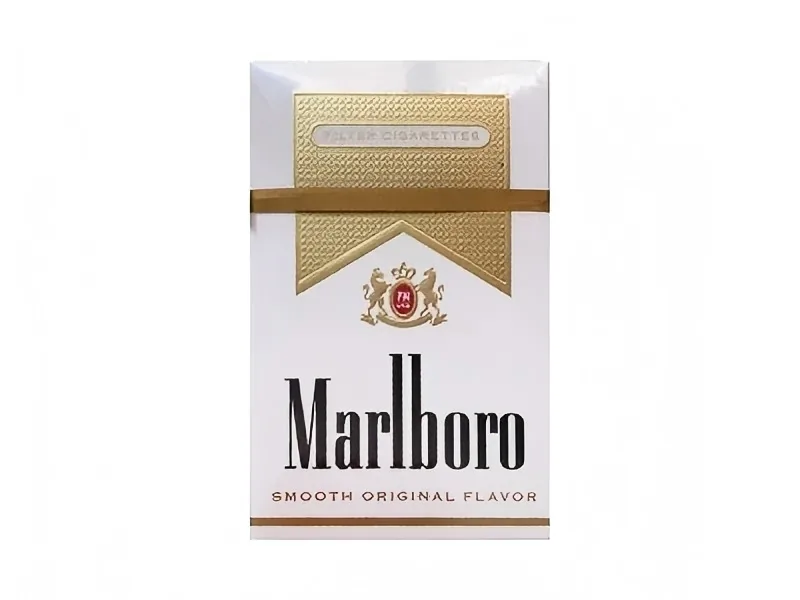
Direct answer: treat an online cigarette listing as a set of separate evidence fields. Confirm the complete product title, SKU, sale unit, current AUD price and stock label from the live page. Do not turn colour words, country labels, milligram numbers or packaging images into specifications that the listing does not state.
This guide is for Australian adults aged 18 and over. It is a catalogue-reading method, not a recommendation or a health assessment. Tobacco contains nicotine, which is addictive, and smoking causes serious health risks. No cigarette is safe.
Start with the fields the page actually verifies
A useful listing check begins with information that belongs to one exact product record. The Texvilo brand catalogue owns broad catalogue discovery, while each product page owns its exact product identity. Keep those roles separate.
| Field | What it can establish | What it cannot establish by itself |
|---|---|---|
| Complete product title | The name assigned to that catalogue record | Unstated composition, origin or sensory experience |
| SKU | A stable identifier for distinguishing records | Quality, authenticity or suitability |
| Sale unit | Whether the listing is one carton and how many packs it states | The contents of a different seller’s listing |
| Current AUD price | The amount displayed at the observation time | A permanent price or future availability |
| Stock label | The page’s current availability state | An exact quantity or delivery outcome |
Use exact identity before interpreting descriptive words
On 18 August 2026, the live Marlboro Hard White US Edition record showed SKU SS-313, one carton containing 10 packs, a current price of A$184 and an in-stock label. Those are dated observations tied to that URL. The words “Hard White” and “US Edition” remain parts of the recorded title; they do not independently prove unstated strength, composition, manufacturing origin or authenticity.
The Marlboro category page is the owner for broader Marlboro discovery. Use it to locate related records, then open the exact product page before relying on a SKU, price or stock state.
Apply a fact, label or inference test
- Fact: the value appears in a defined product field, such as SKU, price, stock status or sale unit.
- Label: a word appears in the product name but the page does not define a technical meaning for it.
- Inference: a conclusion is being added from colour, imagery, memory or another listing.
Only the first category supports a direct catalogue claim. A label can be repeated accurately as part of the name, but its meaning should not be expanded without evidence. An inference should be excluded from the comparison or raised as a specific question through the official contact route.
Compare records without importing missing details
For example, the live Manchester Reserve record showed SKU SS-204, one carton containing 10 packs, A$184 and in stock on 18 August 2026. It can be compared with the Marlboro record on those verified fields. It should not be compared on unstated flavour, strength, origin or smoking experience.
A neutral comparison row would therefore record exact title, SKU, stated sale unit, observed AUD price, stock label, source URL and check date. If a desired attribute is absent, write “not stated on the checked listing” instead of filling the gap.
Stop when the evidence belongs to another page
- Use a product page for an exact product name, SKU, current price and stock label.
- Use a brand category for broader brand discovery.
- Use the catalogue hub for cross-brand browsing.
- Use the shipping policy for delivery scope, rather than assuming a product’s stock label guarantees delivery.
- Use the contact page for a record-specific question that the listing does not answer.
A concise listing-reading checklist
- Open the canonical product URL.
- Copy the complete title and SKU.
- Record the stated carton or pack unit.
- Note the current AUD price, stock label and check date.
- Mark undefined title words as labels, not specifications.
- Exclude claims that come only from imagery, another seller or memory.
- Ask one precise question when a missing detail matters.
Final rule
A careful catalogue reading says exactly what the live record establishes and stops there. This prevents a current price from becoming a permanent claim, a stock label from becoming an inventory count, and a descriptive title from becoming an unsupported product specification.